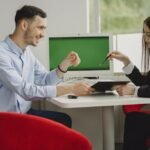
Why Practicing Interviews on Video Works: Key Benefits
Practicing interviews on video has become a popular method for job seekers aiming to excel in the competitive job market. The approach offers numerous benefits that can significantly enhance your interview skills and overall performance. By leveraging technology, you can engage in dynamic self-assessment and prepare thoroughly for your next big opportunity.
One major advantage of practicing interviews on video is immediate feedback. When you record your responses, you have the unique ability to review your performance objectively. By watching your recorded responses, you can gauge your body language, tone of voice, and clarity of thought. This helps you identify areas that need improvement. For instance, you may discover that you tend to fidget or that your pitch fluctuates when you’re nervous. These insights can be invaluable in helping you refine your interview technique.
Additionally, practicing interviews on video helps increase your comfort level with technology. In today’s digital age, many interviews are conducted over video conferencing platforms like Zoom or Microsoft Teams. By simulating this experience, you’ll become familiar with the tools and settings, allowing you to focus on answering questions rather than fumbling with the technology. Being tech-savvy may also impress potential employers, showcasing your adaptability and readiness for modern work environments.
Another benefit is the ability to work on your storytelling skills. Job interviews often revolve around sharing your experiences and achievements in a way that captivates the interviewer. Recording yourself can aid you in crafting and refining your personal narrative. You can pinpoint which stories resonate well and adjust those that fall flat. This practice enables you to convey your value proposition compellingly and authentically.
Practicing on video also allows for better time management. You can control the duration of your responses, ensuring that you stay within time limits often imposed during real interviews. By timing yourself while practicing, you learn to articulate your thoughts succinctly and confidently. This skill can be immensely beneficial during a real interview when time may be constrained.
Engaging in video mock interviews also creates a safe space for experimentation. You can try various styles of answering common interview questions without the pressure of judgment from actual interviewers. Perhaps you want to be more formal or use a casual tone; experimenting with these approaches during practice helps you find the right balance that resonates with your personality while still being professional.
Here are some key benefits of practicing interviews on video:
- Immediate Feedback: Review and assess your performance.
- Tech Savviness: Become comfortable with video conferencing tools.
- Storytelling Enhancement: Improve how you share experiences and achievements.
- Time Management: Learn to articulate responses within set time limits.
- Safe Experimental Space: Try out different answering styles without judgment.
Moreover, video practice can enhance your non-verbal communication skills. Body language plays a crucial role in interviews. By viewing your posture, facial expressions, and gestures, you can make necessary adjustments. You may realize that maintaining eye contact aligns well with developing rapport with the interviewer, thus increasing your chances of making a positive impression.
If you aim to improve your chances of landing your dream job, consider leveraging the amazing benefits of practicing interviews on video. This method offers a comprehensive approach to self-assessment, allowing you to polish your interview techniques while also becoming adept with modern technology. For more guidance on interview preparation, check out resources from The Balance Careers and Monster.
Whether you’re gearing up for your first job interview or looking to refine your skills for your next career move, video practice is a powerful tool that can help you stand out in a crowded job marketplace.
The Psychological Impact of Seeing Yourself on Camera
The experience of seeing oneself on camera is unique and can have a considerable psychological impact. Whether the footage is from a selfie video, a live stream, or a professional interview setup, much can be learned from this experience. Here are some key psychological effects that arise from viewing oneself on screen.
One major effect of seeing yourself on camera is the realization of self-perception. When you observe your own mannerisms, facial expressions, and body language, you become more aware of how you present yourself to the world. This can lead to greater self-awareness, which is beneficial for personal growth and development.
Furthermore, this self-reflection can sometimes unveil insecurities. Many people may be surprised by what they see on a video recording. Instead of focusing on positive traits, they might scrutinize perceived flaws, which can affect confidence levels. Such reactions are normal, yet they can lead to behaviors that may hinder effective communication and social interactions.
To better understand the psychological impact of seeing oneself on camera, consider the following points:
- Increased Self-Awareness: Viewing yourself allows you to assess your presentation style and make necessary adjustments.
- Awareness of Gestures: Noticing your own hand movements and facial expressions can lead to improved communication skills.
- Perception of Flaws: Many individuals focus on perceived blemishes or mistakes rather than strengths, which can lead to decreased self-esteem.
- Cognitive Dissonance: Seeing your actions may clash with how you perceive yourself, creating a sense of discomfort that can stimulate growth.
- Boosting Confidence: By practicing speaking or interviewing on camera, individuals often gain confidence over time.
Research shows that the act of watching oneself can trigger a range of emotions. A study published by the American Psychological Association indicates that video self-reflection can either enhance or diminish self-esteem, depending on the interpretation of what is viewed. The feedback loop of self-watch can lead to insight, but it can also foster negativity if one is not prepared for the perception of their own image.
Another aspect to consider is the tension between authenticity and performance. Many people find themselves changing their behavior when they know they are being recorded. This can lead to feelings of inauthenticity, which may contribute to anxiety. To combat this, practice can help. The more you become familiar with seeing yourself on camera, the more relaxed you may become. In turn, this will lead to a more authentic representation of yourself on video.
Moreover, the phenomenon known as the “camera effect” plays a role. When you know you are being recorded, it can alter your behavior significantly. Some individuals may feel pressure to appear more polished, while others may freeze up or become overly self-conscious. This change can impact the quality of communication and lead to a less genuine interaction. A Forbes article emphasizes the importance of practice in overcoming this challenge.
Equally important is the aspect of feedback. Feedback from viewing a recording can help refine skills. A person can take specific notes on what to improve, such as tone, pacing, and engagement levels. This corrective process is crucial, especially for job interviews or presentations. Constructive criticism received during self-reflection can be invaluable.
If you are open to experiencing the psychological effects of seeing yourself on camera, consider recording practice sessions. Here are a few suggestions:
- Start with short clips, focusing on a specific aspect of your delivery.
- Watch the footage without judgment; instead, take notes on what worked well and what needs improvement.
- Engage in regular practice to reduce anxiety about being on camera. The more you do it, the more comfortable it will become.
Understanding the psychological impact of seeing yourself on camera can lead to that transformative growth. By recognizing the positives and addressing insecurities, you can improve communication skills, boost confidence, and enhance self-awareness. Ultimately, leveraging the experience allows for better interactions in both personal and professional settings.
For more insights into psychology related to video presentations, visit Psychology Today and explore their articles on self-perception and anxiety.
How Video Mock Interviews Improve Communication Skills
Practicing interviews on video can significantly enhance your communication skills, making it an effective tool for job seekers and professionals alike. In today’s digital age, where remote interactions have become the norm, honing your communication abilities through video mock interviews is more important than ever. Here’s how utilizing video for practice can make a meaningful difference.
Better Self-Awareness
When you record yourself during a mock interview, you create an opportunity for self-reflection. Viewing your performance enables you to see how you come across to the interviewer. This self-assessment can help you identify:
- Your body language – Are you open and approachable?
- Your tone of voice – Is it engaging and appropriate for the setting?
- Your clarity and pace of speaking – Are you easy to understand?
By recognizing these elements, you can make necessary adjustments, leading to more effective communication during real interviews.
Enhanced Verbal Skills
Mock interviews on video allow you to practice articulating your thoughts clearly and concisely. You gain a chance to rehearse common interview questions, such as:
- “Tell me about yourself.”
- “What are your greatest strengths?”
- “Where do you see yourself in five years?”
Practicing these questions on camera encourages you to use language that showcases your strengths. Moreover, it helps you to think on your feet, an essential skill under the pressure of a real interview.
Feedback Mechanism
Video mock interviews enable you to gather constructive feedback. Whether you choose to share your recordings with friends, mentors, or career coaches, their insights can be invaluable. You can ask for feedback on:
- Your answers to interview questions
- Your non-verbal cues and body language
- Your overall presentation
This interactive process makes it easier for you to improve. You’ll be able to refine not just what you say but how you say it, enhancing your overall communication skills.
Building Confidence
Repetitive practice through video can significantly influence your confidence level. The more you practice, the more comfortable you become with presenting yourself in an interview setting. This form of exposure can lead to:
- A reduction in anxiety when facing real interviews
- Better control over your nervous habits, such as fidgeting or overuse of filler words
A confident demeanor can often set you apart from other candidates, making you more appealing to potential employers.
Technical Skills Development
Conducting interviews over video also allows you to become familiar with the technology used in remote interviews. Understanding how to:
- Set up your camera and microphone
- Manage your background and lighting
- Handle technical issues quickly during a real interview
Being comfortable with digital tools can enhance your confidence, as you won’t be worried about technical glitches when it’s time for the live interview.
Emphasizing Authenticity
Practicing video interviews encourages you to be your authentic self. Authenticity helps establish trust with interviewers and makes for a more engaging conversation. Video practice allows you to find your unique voice while still being professional. You can practice sharing personal stories or relevant experiences that highlight your fit for a job.
To truly grow as a communicator, integrating video mock interviews into your preparation process is essential. Not only do they allow you to improve your verbal and non-verbal communication skills, but they also prepare you for the unique challenges of modern interviews. Appropriate resources like The Balance Careers offer valuable tips on mock interviews and preparation.
Ultimately, investing time in practice interviews on video can lead you to communicate more effectively, gain confidence, and become an appealing candidate in today’s competitive job market.
For more insights and supportive resources, consider checking out Glassdoor for company-specific interview questions, and Interviewing.io for simulated interview experiences.
Overcoming Anxiety Through Video Practice
Feeling anxious before a big interview or presentation is completely normal. However, many people find that practicing in front of a camera can significantly reduce those nerves. Video practice allows you to see yourself in action, making it easier to identify both strengths and areas for improvement.
One of the biggest benefits of using video to practice is that you gain the benefit of visual feedback. When you watch yourself speak, you might notice body language that seems confident, or perhaps, gestures that seem distracting. This self-awareness is key in transforming anxiety into confidence.
How Video Practice Helps Overcome Anxiety
- Familiarization: Watching yourself on video makes the interview setting feel more familiar. You begin to understand what you look like when you speak, which can help reduce fear of the unknown.
- Repetition: By recording yourself multiple times, you can repeatedly expose yourself to the situation. This exposure can lessen anxiety, just as practicing an instrument repeatedly improves your skills.
- Constructive Feedback: After reviewing your videos, you can seek feedback from friends or mentors. This additional perspective can provide insight on how others perceive your communication style.
- Adjusting Techniques: Some techniques, like breathing exercises or positive affirmations, can be practiced during your video sessions. Seeing their effectiveness in the video may reinforce these methods.
Practicing interviews on video is practical and beneficial. Many people may underestimate how their nerves can hinder their communication. A key aspect is focusing on the content of your answers rather than fixating on your anxiety.
Another reason video practice works so well is that it enhances your preparedness. When you see yourself delivering your answers, you realize how crucial it is to practice clarity and conciseness. Real-life interviews often include timed questions, and video practice helps you manage your speaking duration effectively.
Moreover, using video enables you to work on your tone and pace. You may notice that in moments of high anxiety, your speaking becomes too quick or hesitant. With video, you can adjust your delivery to ensure it comes across as confident and engaging.
Think about how many people dread facing uncomfortable questions during an interview. By recording responses to these potentially tough questions, you can refine your answers. This way, when the real situation arises, you won’t be caught off guard.
Steps for Effective Video Practice:
- Choose a quiet, well-lit location to record.
- Set up your camera or smartphone at eye level.
- Prepare a list of common interview questions to answer.
- Record your responses, focusing on body language and eye contact.
- Review your videos, taking notes on areas that need improvement.
- Seek honest feedback from trusted friends or mentors.
- Practice again, incorporating the feedback received.
Utilizing video as a tool for practice can be a game-changer. Many resources available online provide additional insight into effective video practice. Websites like The Balance Careers have excellent tips on using video for interviews, as do services like Interviewing.com, which offer guidance and feedback for candidates.
Embarking on this video practice journey can drastically change your perspective on interviews. Instead of viewing them as daunting tasks, you will see them as opportunities for improvement and personal growth. Over time, with each recording, you will find your anxiety lessening, replaced by preparedness and confidence.
Feeling nervous is part of being human; however, you can take proactive steps to manage that anxiety. Video practice is an engaging, effective way to prepare for any interview, turning a potentially stressful experience into one of assurance and self-discovery.
Analyzing Body Language: The Importance of Non-Verbal Cues
Understanding body language is crucial when it comes to communication. Non-verbal cues, like gestures, facial expressions, and posture, can speak volumes. These cues often convey emotions and attitudes even more accurately than spoken words. Mastering the art of reading these signals can significantly enhance your interacting skills in various scenarios, from personal relationships to professional settings.
The Power of Non-Verbal Communication
Non-verbal communication is the use of body language to convey messages. Here are some core aspects of non-verbal communication that highlight its significance:
- Facial Expressions: These are universal signs of human emotion. A smile, frown, or raised eyebrow can express feelings like happiness, anger, or surprise, regardless of language.
- Gestures: Hand movements can reinforce what a person is saying. For instance, waving hello or nodding in agreement can enhance verbal communication.
- Posture: How you sit or stand can reflect confidence or uncertainty. An open posture invites others, while crossed arms might suggest defensiveness or discomfort.
- Eye Contact: Maintaining eye contact can demonstrate attentiveness and sincerity. Conversely, avoiding it might indicate avoidance or lack of interest.
- Space and Distance: The physical distance you maintain during interactions can speak to the nature of the relationship. For instance, close proximity often indicates intimacy, while a significant distance might imply formality or discomfort.
Benefits of Analyzing Body Language
Being keenly aware of non-verbal cues can lead to multiple advantages:
- Enhanced Understanding: Analyzing body language allows you to interpret feelings behind the spoken words more accurately.
- Better Relationships: Recognizing and responding to non-verbal signals can strengthen personal and professional relationships. By understanding how others feel, you can communicate in a more empathetic manner.
- Improved Negotiation Skills: Non-verbal cues can indicate a counterpart’s comfort level during negotiations. Being able to read these signs can help you adjust your approach for a better outcome.
- Increased Self-Awareness: By understanding your own body language, you can ensure you present yourself in the best light. Mastery of your non-verbal signals can boost your confidence and credibility.
Practical Tips for Reading Body Language
Below are some practical tips to help you analyze body language effectively:
- Look for clusters of signals rather than relying on a single gesture or expression.
- Consider the context in which the communication is taking place. Different settings can influence how body language is interpreted.
- Pay attention to contradictions between verbal and non-verbal messages. If someone is saying they’re happy but their posture is closed off, that deserves attention.
- Observe cultural differences. Body language can vary significantly across cultures, so be open to varying interpretations.
Common Body Language Signals and Their Meanings
Understanding common body language signals can help you decipher the messages others are conveying:
| Body Language Signal | Common Meaning |
|---|---|
| Crossed Arms | Defensiveness or discomfort |
| Leaning Forward | Interest or engagement |
| Fidgeting | Nervousness or anxiety |
| Steepling Fingers | Confidence or authority |
| Smiling | Friendliness or approval |
Resources for Learning More
There are numerous resources available for mastering non-verbal communication. Websites like TED Talks provide insightful discussions on body language. Additionally, Psychology Today offers articles that delve deeper into the topic.
By developing your skills in analyzing body language, you not only enhance your own communication abilities but also foster deeper connections with others. Whether in your personal life or during professional encounters, being attuned to non-verbal cues can significantly influence the quality of your interactions.
Technology Tools to Enhance Your Video Interview Practice
In today’s job market, video interviews have become a popular way for employers to connect with candidates. Practicing for these interviews can significantly improve your performance, and using technology can enhance that practice. Let’s explore some key tools and technologies that can take your video interview preparations to the next level.
Recording Software
Using recording software allows you to capture your practice interviews, providing valuable feedback. You can review your body language, vocal tone, and overall presentation.
Here are a few effective recording tools:
- Zoom – A widely-used platform for video calls and recording. You can easily save your interviews and analyze them later.
- OBS Studio – Open-source software that provides powerful recording options. Perfect for advanced users looking for detailed control.
- Microsoft Teams – Aside from collaboration, it allows users to record meetings and interviews for future reference.
Interview Simulation Platforms
Interview simulation platforms offer realistic practice scenarios. These tools often include analytics to help you improve. Some popular options include:
- Pramp – A peer-to-peer platform where you can practice interviews with others. It focuses on tech interviews but can be useful for any field.
- Interviewing.io – Offers anonymous practice interviews with engineers from top companies.
- The Balance Careers – Provides tailored practice sessions that focus on various job types.
Feedback Tools
Feedback is crucial for improvement. Using tools that analyze your interview performance can give you insights to address weaknesses.
- Critiqued – This platform offers detailed feedback on your recorded interviews, including strengths and areas for improvement.
- ThoughtCo – Provides guidelines and tips to help you succeed with video interviews, ensuring you know exactly what to work on.
Virtual Reality Tools
Virtual reality (VR) is an innovative way to practice interviews in an immersive environment. This can help reduce anxiety and improve your skills in real-time. Some options include:
- VREasy – A platform that simulates job interviews in a virtual reality space, making the experience feel more realistic.
- Captivate – Utilizes AI to create tailored VR interview experiences.
AI-Powered Practice
AI tools can analyze your performance and suggest improvements. They can mimic various interview styles, providing a diverse range to practice with. Consider these tools:
- CareerBuilder’s AI Coach – Helps you prepare by simulating questions and offering instant feedback.
- HireVue – Used by many companies, it allows candidates to practice with the same technology they will encounter in real interviews.
Connectivity Tools
Good internet connectivity is necessary for seamless video interviewing. Invest in a reliable internet connection to avoid disruptions during practice.
| Provider | Speed | Notes |
|---|---|---|
| Xfinity | Up to 1 Gbps | Reliable for video streaming and large uploads. |
| Verizon Fios | Up to 940 Mbps | Excellent customer satisfaction ratings. |
| AT&T Internet | Up to 1 Gbps | Offers bundled deals with other services. |
Utilizing these technology tools can greatly enhance your video interview practice. By leveraging recording software, interview simulations, feedback platforms, virtual reality, AI technologies, and solid internet connectivity, you are well on your way to acing your next video interview. Remember, each tool contributes to refining your skills and boosting your confidence, making you well-prepared for whatever comes your way.
Tips for Creating a Constructive Video Interview Environment
When preparing for a video interview, the environment plays a crucial role in how you present yourself. A constructive video interview environment can enhance your confidence and ensure a smoother conversation. Here are essential tips to help you create the ideal setting for your video interview.
Choose the Right Location
Selecting an appropriate location is the first step in creating a constructive video interview environment. Here are some factors to consider:
- Quiet Space: Choose a location with minimal background noise, such as a quiet room or home office.
- Well-Lit Area: Ensure your space is well-lit. Natural light is best, so position yourself facing a window if possible.
- Neutral Background: A simple, uncluttered background will keep the focus on you. Avoid any distractions that may sidetrack the interviewer.
Optimize Your Equipment
Your technology should work seamlessly to avoid disruptions during the interview. Here’s how to make sure everything is functioning correctly:
- Check Your Camera: Ensure your camera is positioned at eye level for a more engaging experience. Test your video quality ahead of time.
- Test Your Microphone: Good audio is crucial. Use a quality microphone and ensure that it captures your voice clearly.
- Stable Internet Connection: Connect to a reliable Wi-Fi network to prevent lag or dropped connections. A wired connection may be preferable.
Prepare Yourself
Feeling comfortable in what you wear and how you present yourself is vital for your confidence. Take the time to prepare:
- Dress Professionally: Wear professional attire that you would wear for an in-person interview. A polished appearance can boost your confidence.
- Practice Active Listening: Engage with your interviewer by nodding and maintaining eye contact through the camera.
- Maintain Good Posture: Sit up straight to convey professionalism. Your body language should reflect confidence.
Minimize Distractions
Distractions can derail your focus and affect the interviewer’s perception. Here are practical steps to eliminate interruptions:
- Turn Off Notifications: Silence your phone and disable notifications on your computer to maintain focus.
- Inform Housemates: Let anyone at home know that you’ll be in an interview to minimize potential interruptions.
- Close Unnecessary Applications: Keep only essential applications open to avoid any slowdowns or distractions during the interview.
Test Your Setup
Before the interview day, conduct a practice run to ensure everything looks and sounds right. Here are some tips:
- Conduct a Mock Interview: Ask a friend to run through a practice interview with you. Use this opportunity to refine your answers and improve your presentation.
- Review Your Video Setup: Record yourself speaking and review the video to identify areas for improvement in both your environment and communication skills.
- Check Lighting and Sound: Make adjustments as necessary based on your practice recordings to achieve optimal lighting and sound.
Stay Calm and Focused
Staying calm during the interview is key. Implement strategies to help manage anxiety:
- Practice Breathing Exercises: Deep breaths can help calm your nerves before speaking.
- Visualize Success: Imagine yourself succeeding in the interview, which can enhance your confidence.
- Stay Engaged: Focus on what the interviewer is saying and respond thoughtfully to maintain a connection.
By following these tips, you can create a constructive environment that sets the stage for a successful video interview. A little preparation can go a long way, ensuring that you present your best self. For additional resources, you might find The Balance Careers and Indeed helpful.
Key Takeaway:
Practicing interviews on video is a transformative approach that can significantly enhance your interview performance. The key benefits of this method are rooted in its ability to provide you with an immersive environment that mimics real-life scenarios. One of the most striking advantages is the psychological impact of seeing yourself on camera. This experience can offer crucial insights into your presentation style, allowing you to assess how you come across to interviewers. By identifying strengths and weaknesses, you can make informed adjustments that bolster your confidence and storytelling.
Moreover, video mock interviews serve as an excellent platform for improving your communication skills. You get to hear your tone and notice your speech patterns, enabling you to refine your answers. This is especially valuable for individuals who may struggle with articulating their thoughts during high-stress situations. The act of rehearsing can help you convey your skills and experiences more clearly, making a more significant impact on potential employers.
Another critical aspect is overcoming interview anxiety. Practicing on video allows you to familiarize yourself with the interview format, reducing fear and uncertainty. Each session builds your comfort level, so when you finally sit down for a real interview, you are better equipped to handle the pressure.
Body language is vital in interviews, and video practice affords you the opportunity to analyze your non-verbal cues. You’ll learn to be more aware of your posture, eye contact, and hand gestures. This awareness can lead to a more confident demeanor, which is essential in making a positive impression.
Furthermore, there are numerous technology tools designed to enhance your video interview practice. These can include video conferencing platforms and apps specifically designed for mock interviews. To maximize your practice sessions, it’s important to create a constructive video interview environment. Ensure your background is tidy, your camera is stable, and your lighting is adequate.
Practicing interviews on video offers a wealth of benefits that not only prepare you for the actual interview but also enhance your overall communication and presentation skills. By embracing this method, you take significant strides toward making a lasting impression on potential employers.
Conclusion
Practicing interviews on video offers numerous advantages that can significantly boost your confidence and performance. The key benefits include developing an acute awareness of your skills and communication style, which can be transformative for your overall interview approach. By seeing yourself on camera, you gain insight into your strengths and areas for improvement, creating a powerful psychological shift that enhances self-awareness.
Video mock interviews are not just about what you say; they also help improve your communication skills. You learn how to articulate your thoughts clearly and concisely while also honing your ability to respond to unexpected questions. This practice can diminish anxiety, empowering you to approach real interviews with a greater sense of calm and preparedness.
Moreover, video sessions allow you to analyze your body language, an often-overlooked aspect of interviews. Non-verbal cues are critical for making a positive impression, and being able to review them helps you adjust and refine your presentation. Utilizing technology can further amplify these benefits. From recording software to online platforms, there are numerous tools available that facilitate effective video practice.
Creating a constructive environment for your video practice can amplify these gains. Choose a quiet space, maintain good lighting, and ensure your equipment is functional. By setting the right conditions, you create a setting that closely resembles an actual interview.
These strategies into your interview preparation routine can make a significant difference. By embracing video practice, you harness the full potential of a multifaceted approach to mastering interviews, ultimately leading to greater success in your job search.