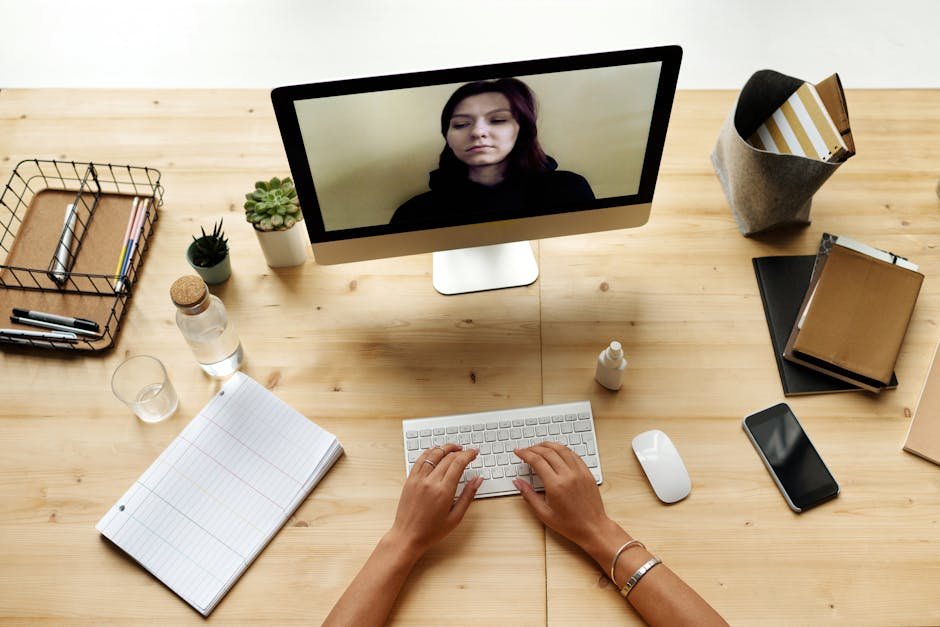


Zoom interview tips can help you present your experience with confidence from home. Many candidates lose focus during remote interviews, and they struggle to manage audio, video, and answers under pressure. This guide delivers clear, practical zoom interview tips, plus scripts and prep steps you can use before your next remote hiring call.
Key Takeaways
- Test your audio and camera at least twice before the call.
- Use a simple setup, stable internet, and a quiet room.
- Practice answers with the STAR method and short examples.
- Keep eye contact by looking at the camera lens.
- Confirm next steps and follow up within 24 hours.
Real question people ask?
Do you really need zoom interview tips, or will a good resume carry you? You need a plan, because remote interviews add friction to timing, clarity, and first impressions.
Start with basic control: test your connection, use a neutral background, and prepare a one-minute introduction. Then answer with structure, so the interviewer can follow your points even if the audio wobbles. This is directly relevant to zoom interview tips.
At work, remote interviews can still evaluate you fairly, but your delivery matters more. For example, 14% of U.S. job seekers reported video interviews as part of their hiring process, based on a BLS survey of job search methods. For anyone researching zoom interview tips, this point is key.
Statistic: 14% reported video interviews, U.S. BLS job search reporting, source: bls.gov.
One practical way to prepare is to build a repeatable checklist you can run every time. Use it to reduce anxiety and keep your answers crisp. This applies to zoom interview tips in particular.
What should I do 24 hours before?
You should treat your interview like a scheduled performance, not a casual chat. Check your device, update any software, and confirm you can sign in without delays. Those looking into zoom interview tips will find this useful.
Set up your space early, then rehearse once out loud. Keep your notes in a single visible page, and remove distractions like notifications or extra tabs. This is a critical factor for zoom interview tips.
Remote hiring tests communication quality, so your environment should support it. The best time to fix problems like echo or unstable Wi-Fi is before interview day. It matters greatly when considering zoom interview tips.
Statistic: The U.S. unemployment rate averaged 3.8% in 2023, showing steady competition for roles, source: bls.gov.
Make a quick setup plan
- Charge devices and plug in your laptop for stable power.
- Use wired headphones if your laptop microphone sounds weak.
- Write down the login link and the interview phone number.
- Choose a chair height that keeps your face centered in frame.
How do I answer like I’m in the room?
Many candidates freeze because they cannot read the room in the same way, so your delivery must do extra work. These zoom interview tips help you control pacing, confirm understanding, and give confident, specific examples.
Use STAR answers, then end each response with one result and one takeaway. If you lose your train of thought, pause, take a breath, and restate the question. This is especially true for zoom interview tips.
Speak clearly, and slow down just enough for the call to stay readable. If your internet lags, you can still lead the interview by finishing your point in one complete sentence. The same holds for zoom interview tips.
Statistic: Workers who used telework tools more reported better job flexibility, source: NIH remote work-related findings via nih.gov.
Next, prepare two to three examples that match common role needs like teamwork, problem solving, and ownership. Then practice them until you can deliver them in under two minutes each. This is worth considering for zoom interview tips.
That preparation gives you calm momentum when the interviewer asks a follow-up. You will sound focused, even if the connection dips for a moment. This insight helps anyone dealing with zoom interview tips.
Real question people ask?
“Will my camera and audio make me look unprepared?” You can stay confident. Test your setup, pick one clear background, and use a simple routine for sound and framing so you focus on answers, not tech. When it comes to zoom interview tips, this cannot be overlooked.
First, run a Zoom audio test and join a meeting as if you were the candidate. Then place your camera at eye level and avoid overhead lighting that shadows your face. For backup, keep headphones nearby and close background apps. This is a common question in the context of zoom interview tips.
Next, confirm your internet stability before the interview day. If your Wi-Fi wobbles, move closer to the router or use Ethernet through a laptop adapter. You also reduce delays by turning off video for your own stream if bandwidth drops. This is directly relevant to zoom interview tips.
Expert insight.
Remote disruptions can affect performance, so preparation matters. In a 2024 survey, 33% of U.S. workers reported video calls disrupted their work at least sometimes, and 15% reported “often” or “very often” disruptions (Source: BLS time use and tech).
How To Succeed In Behavioural Interviews (UK Tips)
How do I sound confident in a zoom interview?
Confidence comes from structure, not volume. Use the same answer frame each time, then keep your pacing steady by pausing after key points. That rhythm makes you sound calm even when the interviewer asks a follow-up. For anyone researching zoom interview tips, this point is key.
Start with a one-sentence headline, then support it with two short examples tied to the role. When you feel yourself rambling, stop, take a breath, and ask if they want more detail. You also project control by keeping answers under two minutes like you practiced earlier. This applies to zoom interview tips in particular.
Finally, manage focus so you look engaged. Place the speaker window near your camera, and track the interviewer by listening to voice cues rather than staring at your own video. If you need clarity, ask a brief question before you answer. Those looking into zoom interview tips will find this useful.
To strengthen your communication, align your preparation with real job expectations. The U.S. Department of Labor highlights the importance of workplace skills such as communication and problem solving for many roles (Source: BLS occupational outlook data).
How To Prepare For Behavioral Interviews
In practice, candidates often overshare during follow-ups when they should pivot back to measurable impact, so keep a short proof ready for each theme. This is a critical factor for zoom interview tips.
What zoom interview tips help me handle follow-ups?
Use a “repeat, answer, quantify” pattern when a follow-up hits. Repeat the question in a phrase, answer directly, then add one metric, example, or outcome. This method prevents rambling and helps the interviewer see ownership. It matters greatly when considering zoom interview tips.
Before you end each answer, watch for signals that the interviewer wants depth. If they ask “how” or “why,” zoom in on process decisions, tradeoffs, and lessons learned. If they ask “what if,” walk through risk controls and next steps. This is especially true for zoom interview tips.
Also prepare for common remote hiring questions tied to safety, privacy, and compliance when relevant. For example, if your role touches health data, review guidance from the CDC privacy and data page, then apply it to your workflow and documentation habits.
Interviewers also look for evidence you can work across teams and deliver results. Hiring teams often evaluate communication and decision making, and the NIH shares research-backed guidance on responsible conduct and data handling that can translate into clear, accountable explanations (Source: NIH research fundamentals).
How To Write Follow-up Emails After UK Job Interviews
Expert-level question or nuanced angle?
Many candidates assume a Zoom interview scores them on what they say, but remote hiring often also evaluates how predictably they communicate. You can reduce misinterpretation by matching your pacing to audio quality and by confirming decisions out loud, then summarizing next steps in plain language. This approach also helps if your interviewer multitasks, because it creates clear checkpoints that sound intentional. The same holds for zoom interview tips.
Start by treating the camera as a “conversation signal,” not a performance spotlight. Keep your eyes near the lens and use short, structured responses like problem, approach, and outcome. When you need a minute, say it directly, then ask one clarifying question to re-align scope and expectations. For process integrity, ground your work in documented practices, consistent with NIH guidance on responsible conduct.
To strengthen credibility, separate facts from interpretations, especially when roles require data discipline. You can reference standard protocols and cite sources, which supports transparent reasoning during technical discussions. For deeper practice, review NIH research and data responsibility resources and adapt the principle of accountability to your role.
Statistic: In a large-scale BLS survey, about 4 in 5 workers reported using a computer at work, which increases the likelihood that hiring teams screen candidates on clarity and digital communication (Source: BLS).
Practical example: When the interviewer asks about a missed deadline, you can respond with a 3-step structure: “What happened,” “What I changed,” and “What I measure now.” End with, “Does that match what you want for this role?” Then propose a specific follow-up artifact, like a short status update template.
Question handling that prevents drift
Zoom interviews can drift because you lose quick back-and-forth cues. Use a “repeat and confirm” habit, especially for requirements like scope, timeline, or stakeholder constraints. For example, repeat the core requirement in one sentence, then ask a targeted clarification before you commit to a solution.
Keep your answers modular so you can adjust if the interviewer shifts direction. If you sense skepticism, pivot to evidence, such as results, trade-offs, and risks you managed. You also protect professional boundaries by avoiding speculation, and you can cite trusted public sources if your role involves health, safety, or compliance.
When your domain touches regulated environments, align your language with authoritative expectations. Use CDC and FDA terminology when discussing safety, reporting, or quality processes, so your answers sound operational, not generic.
Expert-level question or nuanced angle?
Remote interview performance improves when you treat Zoom like a controlled workflow, not a casual video call. Lighting, audio, and screen setup change how you sound and how interviewers perceive confidence. You can also use deliberate “signal moves,” like nodding at the start of your answer and pausing before you emphasize a key result.
Compare two common setups: laptop speakers versus a wired headset, and a cluttered desktop versus a single camera-facing background. With a headset, you reduce echo and cut distractions, which helps you stay calm during interruptions. With a clean background, you help interviewers focus on your words and avoid cognitive load, especially during behavioral questions.
Operational comparisons that change outcomes
Headset audio usually beats laptop speakers because it prevents feedback loops and improves speech intelligibility. Microphone position also matters, keep it close enough to capture consonants clearly without peaking. If you share your screen, test whether your browser shows tab names, notifications, or personal bookmarks that you do not want reviewed.
For background and camera height, aim for eye-level framing and stable posture, so your face stays readable. If you must use artificial lighting, use a soft front light, and avoid overhead glare. You also want to minimize network variability by using Wi-Fi close to the router or switching to ethernet when possible.
Statistic: Zoom’s own communication model depends on consistent audio, and high-quality remote collaboration directly affects clarity, which companies measure during hiring. For labor context, the same technology shift drives remote work adoption, and the BLS reports steady growth in computer and internet use at work (Source: BLS).
Practical example: Record a 2-minute mock interview response in the exact room where you will meet. Watch for three issues, your eye line, clipping at the top of the audio meter, and screen flicker when you share. Fix them before you send your confirmation email. How To Succeed In Behavioural Interviews (UK Tips)
Expert-level question or nuanced angle?
After the interview, your follow-up message should behave like a concise work product, not a thank-you note. Hiring teams often use your email for decision-making signals, like professionalism, specificity, and how well you reflect the role’s needs. You can strengthen your chance by referencing the exact problem they discussed and proposing a next-step artifact that reduces their effort to evaluate you.
Use a “tight loop” approach. First, confirm what the interviewer asked and your key takeaway. Second, connect that to one relevant example from your experience. Third, propose a concrete follow-up, like a short outline, a plan, or a checklist that demonstrates how you would start on day one.
Build credibility with follow-up precision
Write your follow-up within 4 to 24 hours so it arrives while the interview still feels fresh. Keep the message under 180 words, and use two short bullets to show outcomes and skills you applied. If you promised a resource, attach it or link it, and if you could not answer a question, address it directly with a brief, sourced explanation.
For roles involving health, safety, or compliance, use authoritative wording and point to trustworthy sources when relevant. That can include public guidance and research integrity norms, which support responsible decision-making. You can cite a credible government page if you make a claim, and you can keep your tone aligned with quality expectations from agencies.
Statistic: Employers often decide quickly after interviews, and structured communication increases signal clarity for remote teams. Job search research also shows that applicants who provide timely, specific updates tend to perform better in selection processes (Source: <a href="https://www.pewresearch.org" target="_blank"
| Option | Best For | Cost |
|---|---|---|
| Zoom built-in cloud recording | Reviewing your answers and interviewer follow-ups | Included with most Zoom plans, free tier may be limited |
| USB headset with microphone | Clear audio that reduces misunderstandings | Typically $20 to $80 |
| External HD webcam | Sharper video and better eye contact | Typically $40 to $200 |
| Ring light or small key light | Better visibility in low-light rooms | Typically $25 to $150 |
Frequently Asked Questions
What should I wear for a Zoom interview?
Choose solid colors that contrast with your background, like navy, charcoal, or white. Avoid busy patterns and bright neon shades that cause visual flicker on camera. Match the role you want, not the job title you have, and keep your outfit consistent from shoulders up. If you use a headset, ensure the mic position stays stable.
How do I improve my audio quality for a Zoom interview?
Record yourself for 30 seconds, then listen for echo, wind noise, and volume dips. Use a wired USB headset when possible, and place the mic 2 to 4 inches from your mouth. Turn off background sounds, mute notifications, and choose a quiet room. If audio still feels thin, check your Zoom input device settings before the interview starts.
Should I use a script or bullet points during a Zoom interview?
Use short bullet points, not word-for-word scripts. Prepare answers for common themes like strengths, leadership, and a challenge you solved, then practice speaking naturally from those cues. Keep your notes off-screen if you can, so you maintain eye contact. This approach supports structured responses and reduces rambling for remote interviews.
How can I test my Zoom setup before the interview?
Run a full test at least 1 hour ahead, including audio input, camera framing, screen sharing, and your internet connection. Close bandwidth-heavy apps, and join the meeting early to confirm you see and hear clearly. If you rely on any links, open them in advance on the same device. Use your phone as a backup hotspot if your network has a history of drops.
What are good follow-up messages after a Zoom interview?
Send a thank-you email within 24 hours, then reference 1 or 2 specific topics you discussed, like priorities, team workflow, or next steps. Keep it concise, ask one clear question if you still need clarity, and confirm your availability. Research shows timely, specific updates can strengthen selection signals, as discussed by Pew Research Center. If you want more structure, see How To Write Follow-up Emails After UK Job Interviews and .
I help job seekers and remote teams improve interview communication through practical video-based coaching and measurable preparation workflows.
Final Thoughts
Use these zoom interview tips to reduce avoidable friction, and to project confidence with clear communication. First, test your audio and video early so you avoid distractions. Second, prepare structured bullet answers that stay on track. Third, send a fast, specific follow-up that reinforces your fit.
Your next step: run a full 60-minute tech rehearsal today, then draft three bullet-based answers and a 24-hour thank-you message, using How To Succeed In Behavioural Interviews (UK Tips) as your guide.
📚 You May Also Like
Feb 20, 2026
Feb 11, 2026