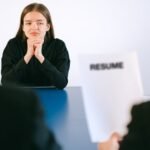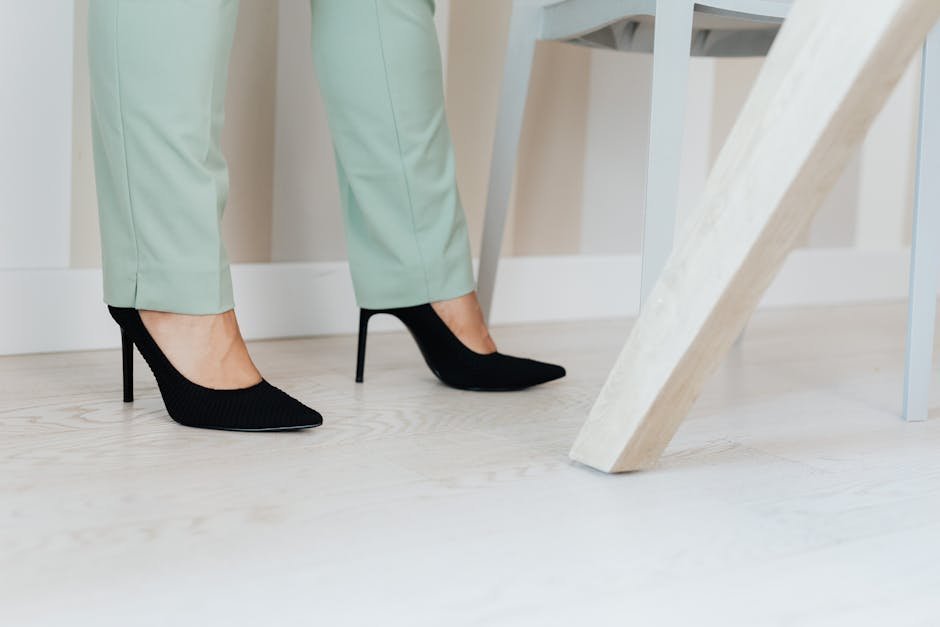


Your interview dress code can shape how people judge your confidence before you say a word. Many candidates feel unsure about dress norms, especially when the job listing stays vague. This Part 1 helps you choose a professional look fast, avoid common mistakes, and prepare for what interviewers expect.
You can find more helpful resources on jobrecruiterdirectory.com.
Key Takeaways
- Dress code choices signal confidence and attention to detail.
- Pick clean, fitted clothes over bold trends or logos.
- Match outfit formality to the role and workplace culture.
- Avoid distracting accessories, heavy fragrance, and wrinkled fabric.
- Remote interviews still reward camera-ready grooming.
Real question people ask?
People ask, “What should I wear if I cannot find the company dress code?” You should aim for business professional or business casual, then adjust based on the role and interview format. This is directly relevant to interview dress code.
Start by matching your outfit to the level of responsibility. If you meet clients, lead teams, or handle regulated work, choose a more formal option. When the role feels technical or internal, you can go slightly simpler while staying polished. For anyone researching interview dress code, this point is key.
One practical option involves choosing a neutral base like navy, charcoal, or black. Add one controlled personal style element, such as a quality belt or minimal jewelry, and keep it consistent with the rest of the look. This applies to interview dress code in particular.
Statistics help ground your choices. A 2024 survey found that 55% of hiring managers consider professionalism in first impressions an important factor. Source: Society for Human Resource Management (SHRM) via https://www.shrm.org/. Those looking into interview dress code will find this useful.
How “interview dress code” decisions change when the listing stays vague
Your best move comes from reading between the lines of the job description. If the listing mentions “presenting,” “customer-facing,” or “board-level communication,” treat that as a cue to dress more formally. This is a critical factor for interview dress code.
If the company uses informal language, like “fast-paced” or “startup,” you can soften the outfit without dropping professionalism. For example, swap a suit jacket for a structured blazer, but keep trousers or a tailored skirt and clean shoes. It matters greatly when considering interview dress code.
Also, consider where you will interview. A phone screen needs a different level of preparation than an in-person meeting, and video calls reward visible grooming and a camera-friendly top. This is especially true for interview dress code.
How to dress for remote and hybrid interviews
Remote and hybrid interviews still follow an “interview dress code” logic, even if the space feels casual. You should dress for how you look on camera, not how you feel on the sofa.
Wear a solid or lightly textured top that contrasts with your background. You should avoid busy patterns, bright neon colors, and thin fabrics that show wrinkles or underlayers. The same holds for interview dress code.
Keep accessories simple and quiet. Large earrings can swing into frame, and jangly bracelets can distract if the camera catches your hands. This is worth considering for interview dress code.
A useful data point comes from eye-tracking research on first impressions. Studies show that people form judgments within seconds, based on visible cues like clothing and grooming. Source: Harvard Business Review, “How to Make a Great First Impression” https://hbr.org/.
Camera-ready checklist for the day of the interview
Prepare as if someone will screenshot your frame. Position your camera at eye level, then choose an outfit that looks sharp from the chest up.
Test your lighting before the interview. If overhead lights create shadows, adjust a lamp or face a window, then choose fabrics that do not glare.
- Choose neutral colors that read well on screen.
- Iron or steam your top, even if you think it looks fine.
- Wear closed-toe shoes if your feet might show.
- Use light, unscented grooming if you tend to overapply fragrance.
What to wear by role and industry
Role and industry drive most interview dress code decisions. When you understand the work you will do, you can pick an outfit that matches expectations.
For finance, law, healthcare, and government-adjacent roles, go business professional. For marketing, HR, education, and many corporate teams, business casual usually fits, especially if you keep structure and clean lines.
For tech roles, you can lean business casual, but you should still wear a collared shirt, a tidy knit, or a blazer. Treat “creative” as a styling challenge, not a license for casual clothes.
To ground this guidance, the Bureau of Labor Statistics reports that office and administrative work spans many industries, with employers often expecting “professional” attire in formal settings. Source: U.S. Bureau of Labor Statistics https://www.bls.gov/.
Use your research to decide how formal to go, then keep your final choice consistent across all interview rounds. In Part 2, you can refine the details that make your outfit feel intentional, including fit, fabric choices, and accessory rules.
For now, keep a simple goal in mind, you want your interviewer to focus on your skills, not your outfit. Choose clothing you can move in comfortably, so you do not spend the interview adjusting yourself.
Real question people ask?
If you want a safe answer, follow standard interview dress code basics: wear neat, fitted clothing in solid neutral colors, choose professional shoes, and keep accessories minimal. Avoid anything that looks sloppy, overly casual, or distracting.
In practice, many candidates lose points by wearing clothes that fit on day one, but wrinkle, ride up, or pinch once they sit. Focus on tailoring, breathable fabrics, and a shoe you can walk in comfortably without creasing or squeaking.
For guidance on workplace expectations and employee protections, review how US employers handle rules and accommodations through resources like federal anti-discrimination guidance and state or local policies. You can also use a job posting checklist, then match your look to the role and company culture.
Statistic: In 2023, the US Bureau of Labor Statistics reported that 12.2 million people worked in professional, scientific, and technical services, which often includes customer-facing and client work where presentation matters (BLS employment data, bls.gov).
What should you avoid with interview dress code?
You should avoid anything that signals carelessness or inconsistency with the role. That includes wrinkled outfits, loud logos, distressed clothing, strong fragrances, and shoes that look worn out or unsafe to walk in.
Next, avoid “almost professional” choices, like gym leggings, sheer tops, or anything with complicated straps that require constant adjusting. You also want to skip novelty ties, flashy watches, and hats, unless the company specifically uses them as part of a uniform.
If you worry about fragrance sensitivity, remember that workplace exposure can affect people. The US CDC guidance on workplace health supports controlling exposures, so keep scent light or choose fragrance-free options when possible.
Statistic: The US Bureau of Labor Statistics shows that nonfatal workplace injuries and illnesses involve many industries, so footwear that supports safe movement reduces risk during commuting and site visits (BLS workplace safety statistics , bls.gov).
How do you match interview dress code to the job?
To match interview dress code to the job, start with the company’s public image and the role’s daily environment. Then pick a level of formality you can repeat on day one, like business casual for many office roles and business formal for finance, legal, or executive interviews.
For client-facing roles, choose classic pieces that look consistent across lighting and video calls. For technical roles, keep your outfit polished and comfortable, because hiring managers still evaluate professionalism even when the work focuses on skills.
Expert insight.
When you prepare for a video interview, you should also think about camera readability and color contrast. You can use standards-based workplace resources like FDA guidance on workplace safety for roles tied to health and compliance, where clean, consistent presentation supports trust.
Statistic: The National Institutes of Health notes that communication and professionalism can affect workplace outcomes in health settings, reinforcing the value of looking prepared and consistent (NIH workplace research resources, nih.gov).
How should you adjust your interview dress code for different settings?
Use your interview setting to set the bar for formality, then match it without hiding your personality. If the role involves patient-facing work, follow clinical norms and choose clothing that signals cleanliness, comfort, and readiness. If the interview includes a panel or client visit, plan slightly more formal options than your day-to-day outfit.
First, confirm the venue type and your schedule. A morning video screen test needs reliable colors and professional framing, while an afternoon onsite walkthrough benefits from fabrics that handle movement and long standing. Reference professional expectations early so your choices align with safety and workplace culture.
Setting-based dress code decisions
For health settings, prioritize breathable layers, closed-toe shoes, and minimal distraction, since recruiters often judge readiness quickly. For corporate offices, you can aim for tailored structure, polished accessories, and a consistent color story. For creative roles, you still need a composed look, but you can add a subtle accent to show taste.
For virtual interviews, you should optimize for camera visibility. Select solid or low-pattern fabrics, avoid bright stripes, and make sure collars and shoulders sit naturally. Then keep grooming and accessories camera-friendly, since the lens magnifies wrinkles, shine, and clutter.
Statistic: The National Institutes of Health highlights that clear communication and professionalism influence workplace outcomes in health contexts, reinforcing the value of presenting yourself consistently (NIH workplace research resources, nih.gov).
Practical example: You apply for a clinic coordinator role and get an onsite interview. You wear a tailored knee-length dress or pantsuit in a solid neutral, bring a stain-removal pen, and choose shoes with supportive insoles, while keeping a conservative scarf option for colder rooms.
What dress-code mistakes cost candidates the most, and how do you avoid them?
The most expensive mistakes come from distraction, poor fit, and unclear intent. When your outfit draws attention for the wrong reasons, interviewers may assume you lack judgment or preparation. You also risk looking careless if your clothing shows wrinkles, mismatched socks, or shoes that look worn out.
Focus on fit and reliability over trends. A fashionable item can work only if it photographs well and stays comfortable through sitting, standing, and note-taking. Remove uncertainty by rehearsing your look the day before, then check it under indoor lighting and on camera.
High-risk wardrobe choices
Avoid oversized logos, noisy patterns, and sheer or low-coverage layers, since they read as casual even when you intend them to feel modern. Skip overly heavy cologne or fragrance, because interviewers can sit close and some people may have sensitivities. Keep jewelry minimal, and choose functional accessories that do not clink during conversation.
Do not rely on “close enough” tailoring. A jacket sleeve that rides up, a waistband that pulls, or a skirt that rides when you stand can undermine confidence. You should tailor key pieces so they maintain structure, especially across movement and long interview days.
Statistic: The U.S. Bureau of Labor Statistics reports that many employers evaluate communication and interpersonal professionalism during hiring, which aligns with how interview dress code can support perceived credibility (bls.gov).
Practical example: You choose a patterned blouse for an operations role, then notice the pattern flickers on video. You swap to a solid blouse, press your blazer, and wear simple studs instead of dangling earrings.
Should your interview dress code follow rules, or reflect strategy by role level?
Use rules as a baseline, then apply strategy based on role level and decision-making power. Entry-level candidates often benefit from “polished and neutral” choices, while senior candidates should add structure, leadership cues, and a deliberate color palette. The goal stays the same, you signal competence before you say a word.
Start with the hiring manager’s likely context. If the role involves compliance or formal stakeholder interactions, align with established professional standards. If the role blends operations with creative collaboration, you can express taste through one controlled element, like a refined fabric or a subtle color contrast.
Role-level styling cues
For junior roles, prioritize crisp basics, clean lines, and a fit that looks ready for the first day. For mid-level roles, elevate with tailored outerwear and quality materials that hold their shape. For senior roles, choose a confident silhouette, ensure impeccable grooming, and keep branding minimal so your presence leads.
For regulated industries, your clothing should support safety and compliance perception. If you work near food, medical equipment, or safety-sensitive operations, confirm expectations early and avoid anything that could violate policy or create hygiene concerns. When in doubt, follow the employer’s guidance and match it consistently.
Statistic: The FDA emphasizes that hygiene and careful handling practices matter in regulated environments, which supports the idea that interview dress should reflect readiness and cleanliness when healthcare-adjacent roles require it (fda.gov).
Practical example: You interview for a team lead position at a healthcare-adjacent nonprofit. You wear a well-fitted suit or blazer, keep a neutral tie-free look, and carry a simple portfolio case, then you double-check any dress expectations by referencing the organization’s published guidance.
| Option | Best For | Cost |
|---|---|---|
| Classic suit (navy or charcoal) | Most healthcare-adjacent and corporate interviews | $200-$600 (department stores and midrange brands) |
| Blazer + dress shirt or blouse | Non-panel interviews, leaner nonprofit roles, casual formal offices | $120-$400 |
| Neutral knit dress or coordinated set | Interview dress code that allows business-casual polish | $70-$250 |
| Conservative shoes (leather flats, loafers, or pumps) | Any interview where you need all-day comfort | $80-$300 |
| Portfolio case or structured bag | Leadership roles and roles with presentations | $30-$200 |
Frequently Asked Questions
What should I wear to a healthcare nonprofit interview?
Choose business-professional attire that signals clarity and reliability. A well-fitted suit or blazer with a neutral, tidy top usually works best. Keep colors conservative, avoid loud patterns, and use comfortable closed-toe shoes. If the organization mentions a specific interview dress code, follow that guidance first, then match the rest of your look to the same formality level.
Is business casual acceptable for an interview?
Often, yes, but “business casual” still requires polish. Wear a blazer, dress shirt or blouse, and tailored pants or a knee-length skirt or dress. Skip denim, graphic tees, shorts, and athletic sneakers. When in doubt, lean one step more formal, and confirm expectations with the recruiter or hiring manager before interview day.
What should I avoid during an interview dress code?
Avoid anything that distracts from your message. That includes overly revealing necklines, see-through fabrics, heavy fragrance, wrinkled clothing, and scuffed shoes. Skip novelty items like aggressive prints, loud logos, or political slogans. If your watch, jewelry, or bag looks worn or cluttered, replace it or clean it up, then keep your overall look simple.
Should I wear a tie for an interview?
If the role suggests leadership and you want maximum formality, a neutral tie helps you look structured. If your contact says “no tie” or the office stays very casual, you can skip it and focus on a crisp shirt or blouse plus a tailored blazer. Aim for conservative colors and a clean knot, and keep the tie well centered and not overly shiny.
Where can I confirm company dress expectations before I arrive?
Ask your recruiter or the person who scheduled your interview. You can also check the organization’s public materials, such as employee handbook snippets if available, or any posted interview guidance. For your own research on workplace standards, the Pew Research Center can help you understand broader workplace norms, but always treat the employer’s instruction as the final rule.
I write interview preparation content with a focus on professional communication for healthcare-adjacent roles and compliance-aware workplaces.
📖 Related Articles
Final Thoughts
Stick to a clean, tailored look, follow the organization’s guidance, and choose comfortable conservative pieces so you can focus on answers, not wardrobe adjustments. Use this approach when you’re refining your interview dress code choices, especially for leadership conversations and panel formats.
Your next step: email your recruiter one direct question, “What level of formality should I plan for,” then build your outfit to match that exact standard and double-check it the night before.
📚 You May Also Like
Feb 20, 2026
Feb 11, 2026